
Sexting
'Sexting' ('sex' + 'texting') is the sharing of sexual images, messages and videos. A sext may be a photo or video of someone who is nude, partially nude or in a sexual pose. This is also referred to as sharing ‘nudes’.
People who are in trusting relationships sometimes send nudes or sexual messages as an expression of their feelings and desires and these usually remain private because they are respectful of one another’s privacy. Consent is just as important when it comes to sexting as it is for real life activities. People should never feel pressured to send texts, images or videos. Their texts, images or videos should never be shared without their consent. There are also laws about sexting that are important to know.

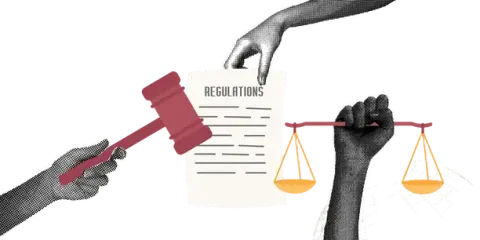
What are the laws?
In Australia it is against the law to take, send, receive or store a sexual picture of a person who is under the age of 18, even if it was taken with the other person’s consent or taken by the person themselves. It is also illegal to use AI or apps to create fake nude images or videos of people who are under 18. These laws are designed to help protect young people from harm.
There can be serious consequences for a person if they break this law as these images are considered to be child abuse material (sometimes referred to as child pornography).
It is an offence to threaten to share a sexual image of a person of any age. Penalties include fines and imprisonment. Courts can also issue a ‘take down’ order to remove images online.
Things to consider about sexting
- Remember the basics of respectful relationships – pressure from another person or pressuring someone to send an image, is not respectful!
- Always ask for consent when sharing any images or videos of people. Even if it is not a nude, it is still respectful to ask for consent. There are lots of reasons why it might not be OK or safe for a person to have their photo taken or shared.
- If you are worried because you have sent a nude picture, don’t panic. Just delete the image from your devices. Ask the person who received it to do the same and to not share it with anyone else.
- If you have received an unwanted sexual image from someone, it’s best to make sure it is deleted and tell the person to stop sending them.
- Use the ‘report’ function on apps or contact esafety.gov.au to help get
images removed. - Use the ‘block’ function to stop someone sending you unwanted messages or images.
- Remember, even if you use AI or an app to create a fake nude of someone under 18, this is still classed as child pornography.

What to do if a 'private' sext goes public
If you receive a sext from someone, delete it and do not forward it onto others.
If a sexual image or video of you has been shared online you can ask the person who shared it to remove it. If shared on social media un-tag yourself from the image or video and report the image so that it can be taken down. For more information on how to do this visit the eSafety website (external site).
If you think a crime has been committed, you can also contact the police.
What to do if someone sends you an unwanted sext
If someone sends you a sexual message, image or video that you didn't want, delete it and do not forward it onto others. Let the sender know that you don't want to receive any more. If they continue to send you unwanted sexts you can block them on social media or from text messages and calls on your phone. For more information on how to do this visit the eSafety website (external site).


Where to go to for help
It is a good idea to ask a trusted adult for help and support. If you want to talk to someone over the phone anonymously or confidentially, you can call:
- Sexual Health Helpline on (08) 9227 6178 (metro) or 1800 198 205 (country)
- Kids Helpline on 1800 55 1800
- Beyondblue on 1300 22 4636
- Lifeline on 13 11 14
If you think a crime has been committed, you can also contact the police.
More information
For more information on sexting and staying safe online, visit these websites:
eSafety provides information and support for people who have experienced imaged-based abuse, their family and friends, and bystanders.
Youth Law Australia (external site)
Youth Law Australia provides free, confidential legal information and help for young people under 25. Explains the laws in each state and includes information on: sexting, photos and videos on your phone, getting into trouble on social media, sexual harassment, sex and online privacy.
Bullying No Way (external site)
Bullying No Way aims to create learning environments where every student and school community member is safe, supported, respected, valued, and free from bullying, violence, harassment and discrimination.