What is gender equality?
Gender equality means that everyone should be treated with respect and have the same opportunities, rights and choices, regardless of their gender.
Gender equality doesn't mean that everyone is exactly the same. People can have different interests, strengths and experiences. Gender equality is about making sure everyone is valued fairly and can make their own decisions about their life, relationships and future.
In healthy communities and relationships, people are respected for who they are, not judged because of stereotypes about how they should act.
Gender stereotypes
As we grow up, we are surrounded by messages about what it means to be a boy, girl, man or woman.
For example, you may hear messages like:
- Boys should always be strong and never show emotion
- Girls are innately nurturing and more emotional
- Boys should take the lead in relationships
- Girls should look a certain way to be attractive
- Some jobs or activities are only for certain genders
These are called gender stereotypes.
While some people may identify with these ideas, not everyone does. Stereotypes can put pressure on people to behave in ways that don't feel right for them and can contribute to unfair treatment.
Respect and fairness in relationships
Healthy relationships are based on:
- Respect
- Trust
- Honest communication
- Equality
- Consent
In an equal relationship, both people:
- Have a say in decisions
- Feel safe expressing their thoughts and feelings
- Respect each other's boundaries
- Listen to one another
- Support each other's goals and interests
No one should feel pressured, controlled or treated as though they are more or less important because of their gender.
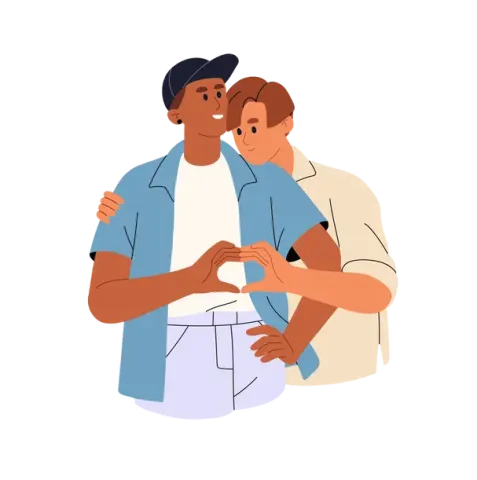
Shared responsibility
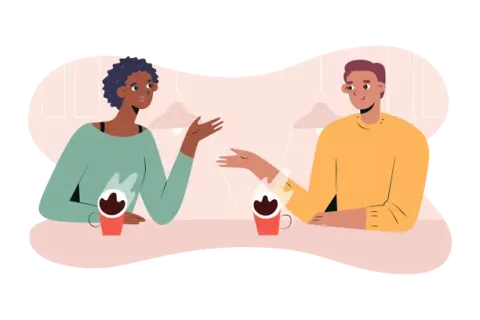
Relationships often involve shared decisions and responsibilities.
For example:
- Talking about boundaries
- Discussing contraception
- Protecting against sexually transmissible infections (STIs)
- Communicating about expectations and feelings
Preventing unintended pregnancy and protecting against STIs are responsibilities that should be shared between partners, both long-term and casual. Open communication and mutual respect help people make informed decisions together.
Healthy masculinity
There are many different ways to be masculine.
Healthy masculinity includes:
- Treating others with respect
- Showing empathy and kindness
- Taking responsibility for your actions
- Managing your emotions in healthy ways
- Asking for help when needed
- Respecting consent and boundaries
Being strong does not mean controlling others or hiding your feelings. Many people find that talking openly about emotions, challenges and relationships can improve wellbeing and strengthen connections with others.
Healthy masculinity